Bad things do happen; how I respond to them defines my character and the quality of my life. I can choose to sit in perpetual sadness, immobilized by the gravity of my loss, or I can choose to rise from the pain and treasure the most precious gift I have – life itself.
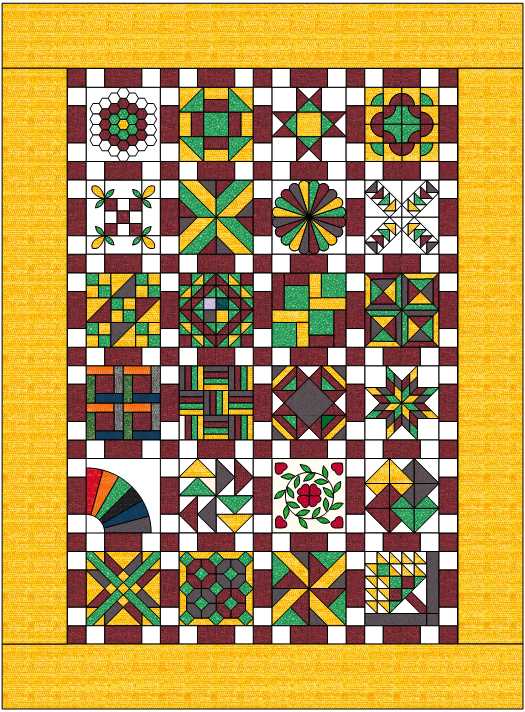
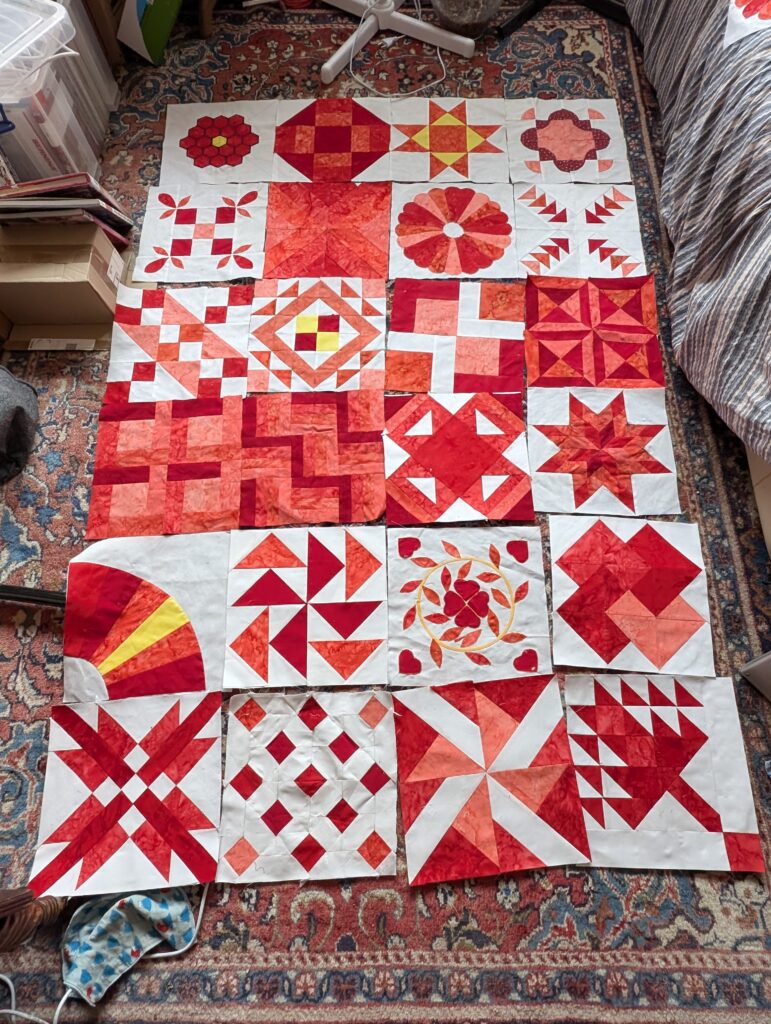
Well the 24 blocks of the sampler is completed. This was interesting sampler
Many of the Blocks were Paper Pieced for simplicity and accuracy. Also many of the blocks were designed to be hand pieced. By machine piecing many of the techniques had to be adapted. There were lots of Partial Seams, Y Seams These techniques are almost impossible using a machine
Like the 45 degree diamonds it is easy to nudge a diamond into position. But using a sewing machine it is impossible to nudge.
So we have learned many new ways of making our blocks. And adapting to changing time.
I have put this project away, into my UFO pile. I lost interest and failed. But I look forward to seeing how you choose to complete the project.
I personally learned I like paper piecing and also have developed a thing for triangles Half and Quarter Square Triangles.
The Blocks
Below is a link to each of the 24 individual blocks.
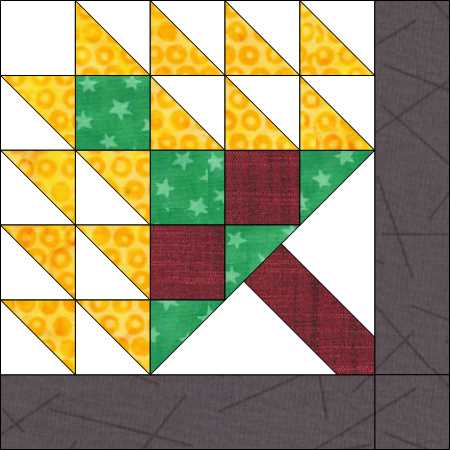
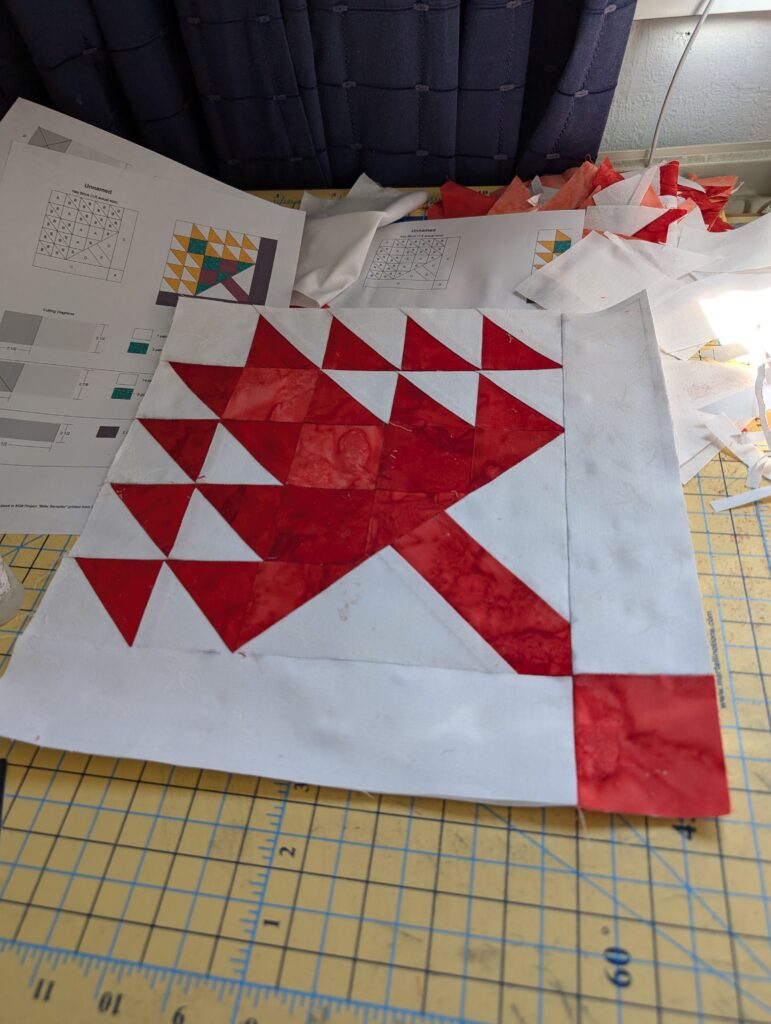
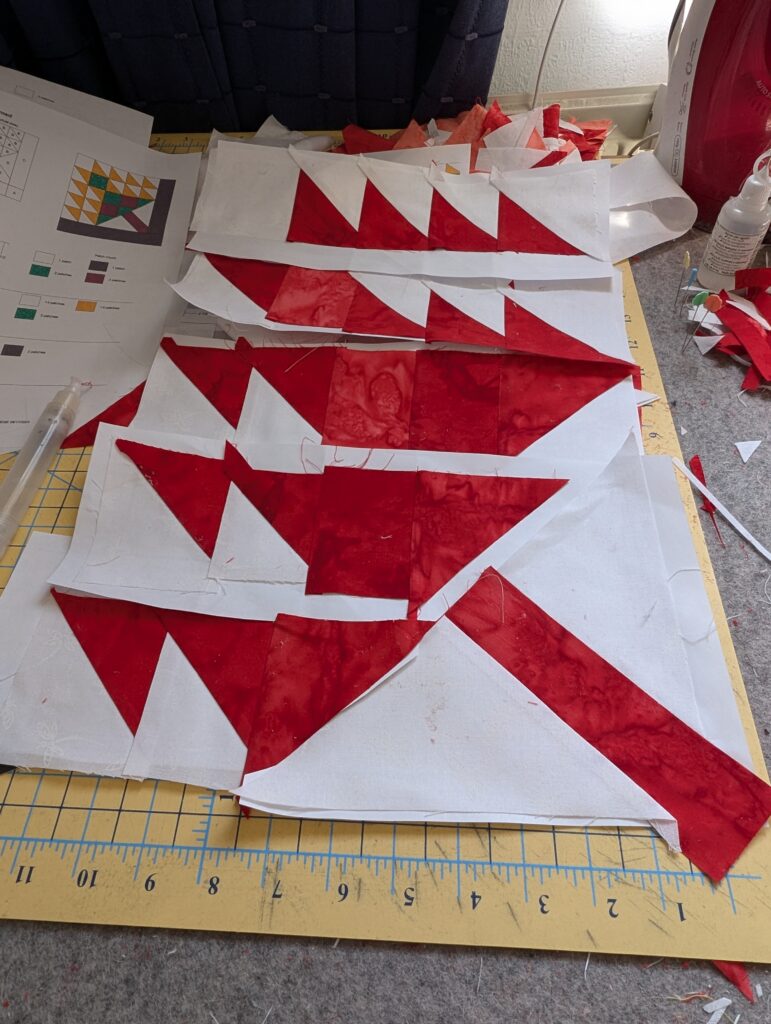
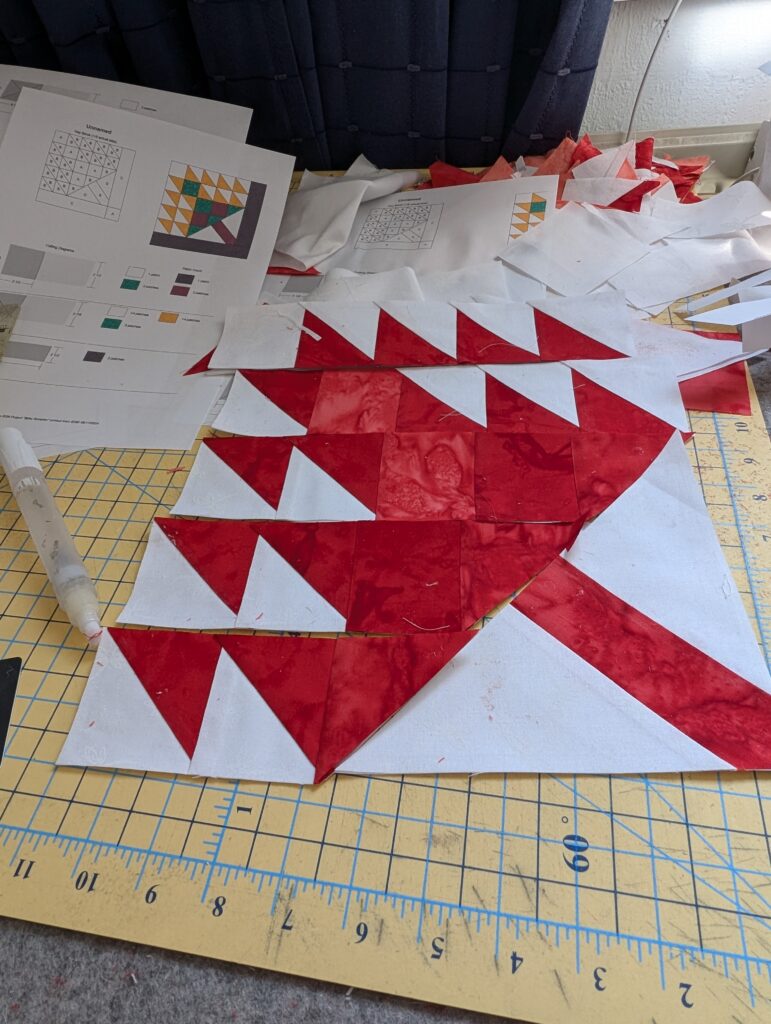
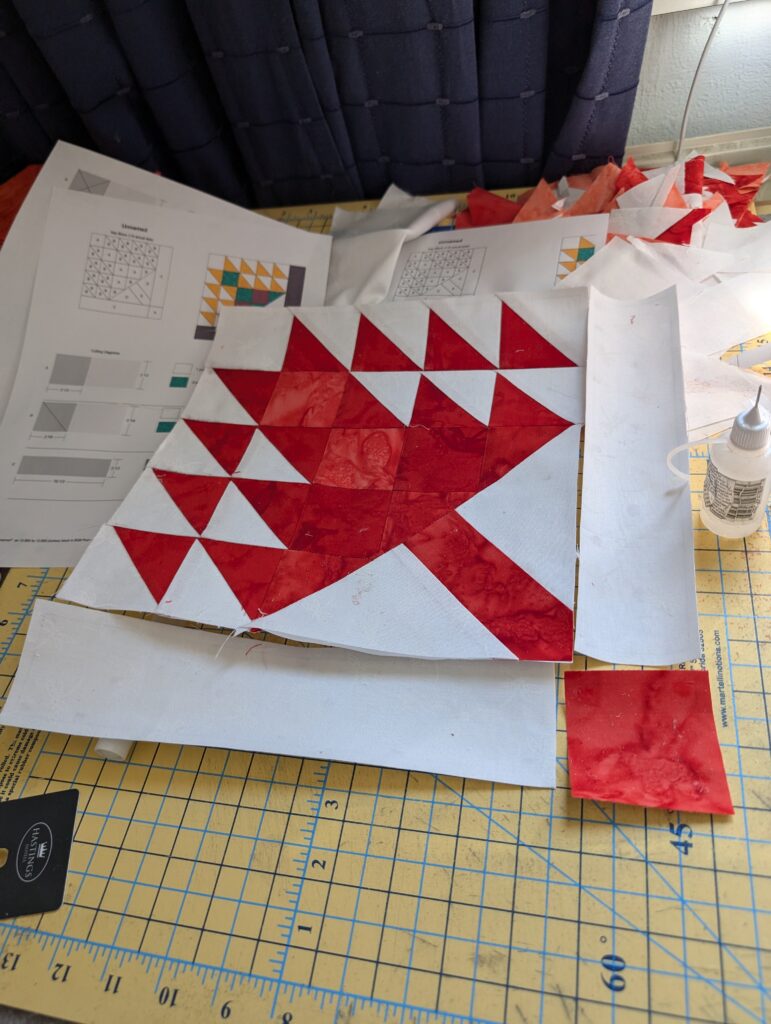
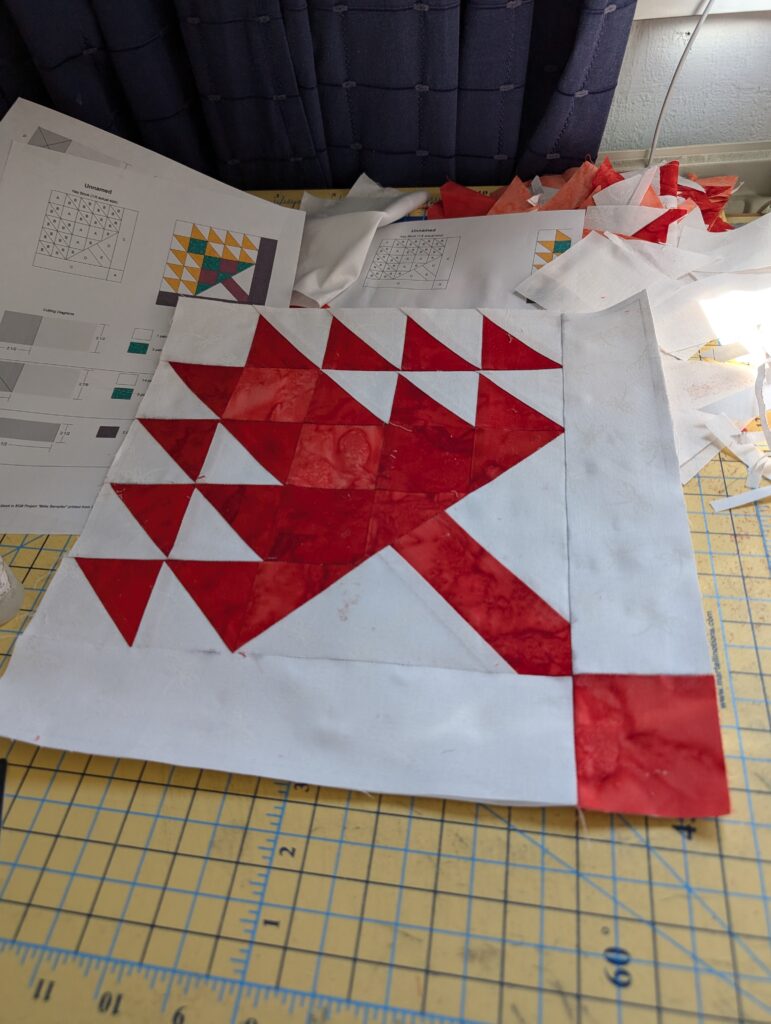
Tree or Tree of Life block is one of my favorite. I again paper pieced as I wanted all my points to be accurate and also discovered Electric Quilt 8 doesn’t like to define cutting instructions for unusual shape pieces with more than 4 sides, I discovered this is a major issue.
6 x 2 1/2 x 2 1/2″ squares (I cut mine squares 3″) 1 x Background (White) 2 x color 2 (dark red), 2 x color 3 (orange), 1 x color 4 (dark red)
16 x 2 7/8 x 2 7/8″ squares cut into HSTs (cut mine 3 1/2″). 14 x Background (White) 14 x color 2 (Dark Red) and 2 x color 3 (orange). All the squares should be cut into HSTs, total 32 HSTs.
1 x 6 1/4 x 6 1/4″ square cut into QSTs (cut mine 7″) Background Fabric
2 x 10 1/2 x 2 1/2″ strips (cut mine 11 1/2 x 3 1/2″)
1 strip not defined for stem cut mine 3 1/2″ width of Fat quarter
Assembly
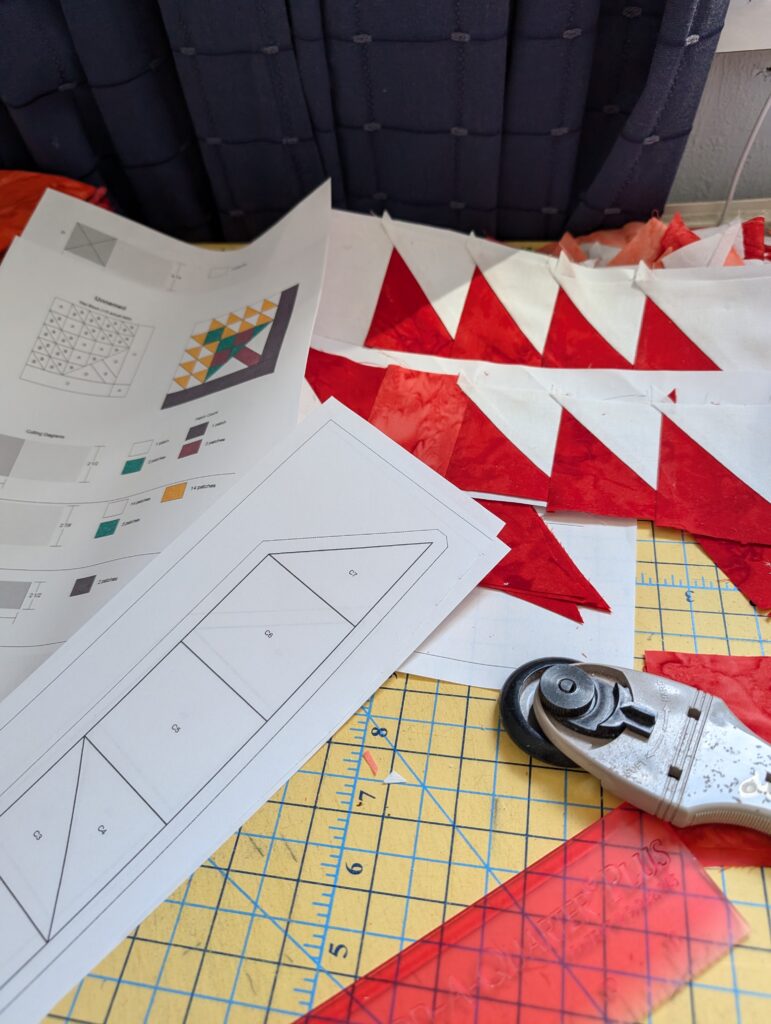
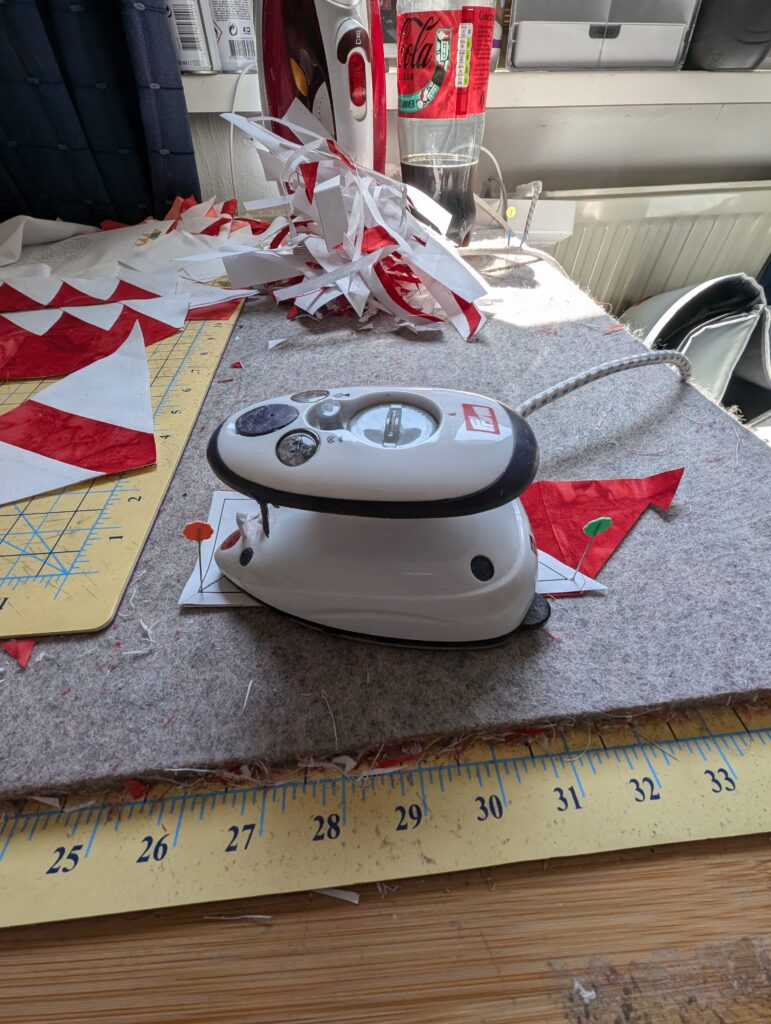
paper piece all the HST strips Note of caution make sure all the HSTs are turned all the correct direction.
paper piece the base triangle.
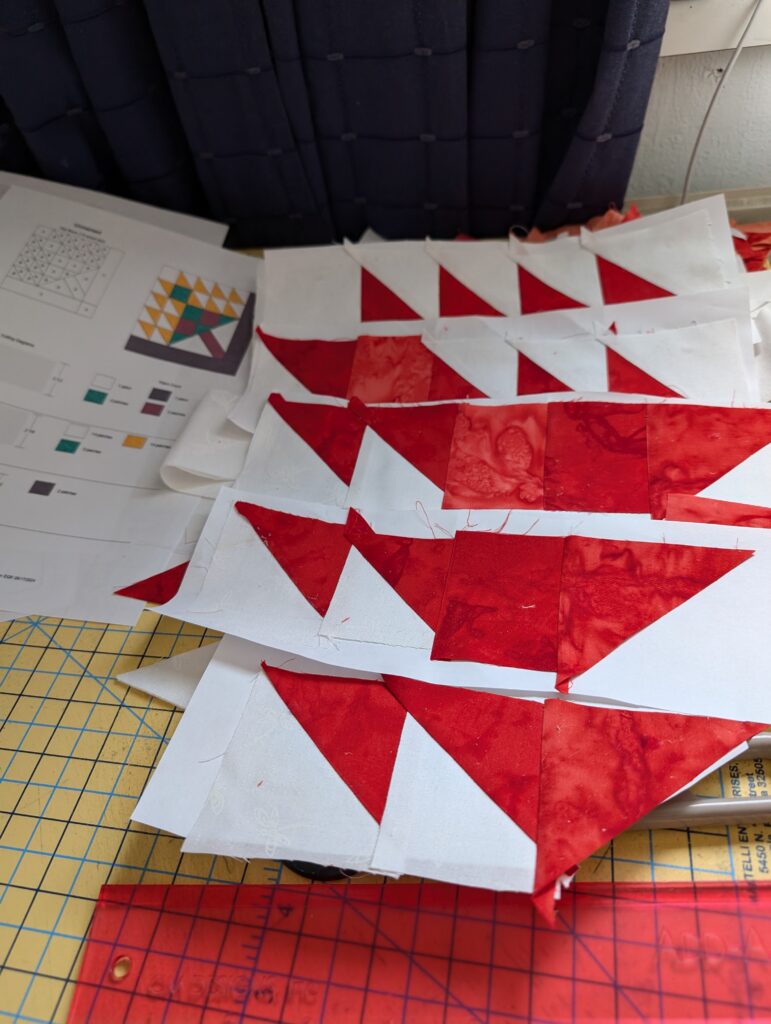
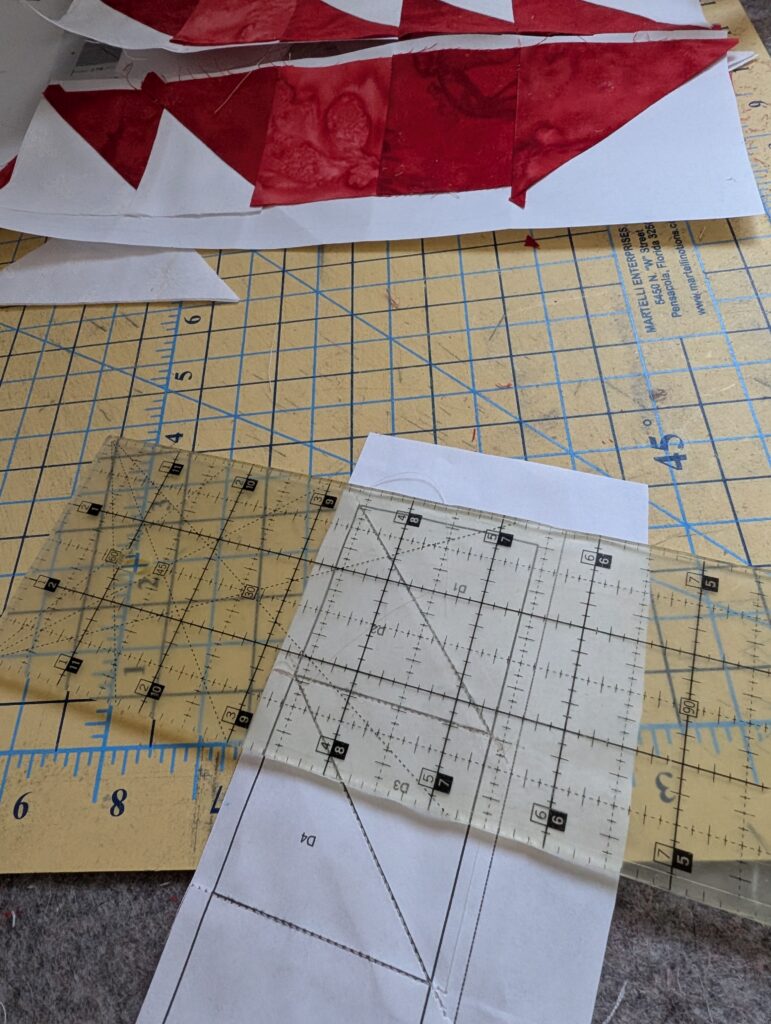
trim on the cut line on all the sub pieces.
assemble all the sub pieces forming the tree.
Now add the strips on the two sides
Oh My we have completed all 24 blocks in the Billie’s Sampler Amazing and a huge Congrats.
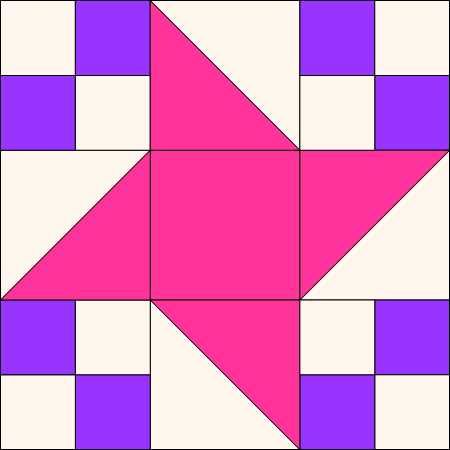
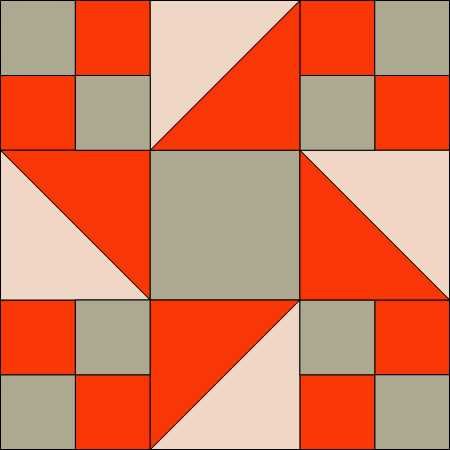
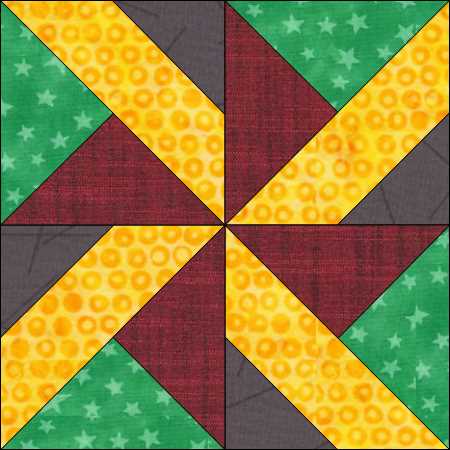
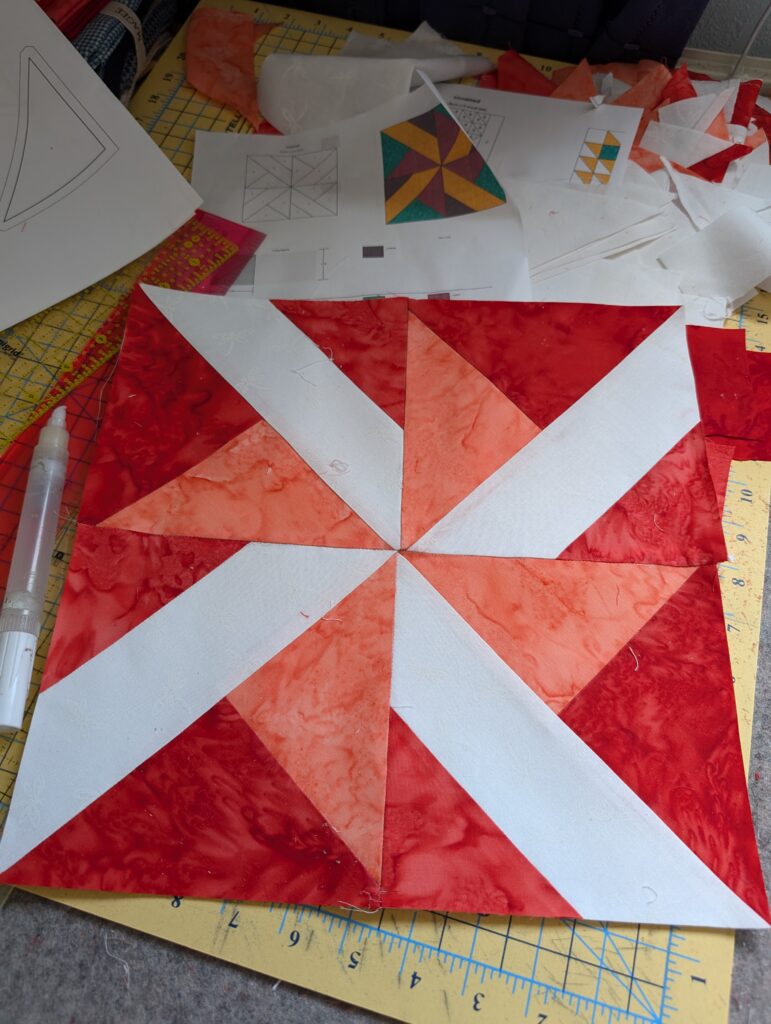
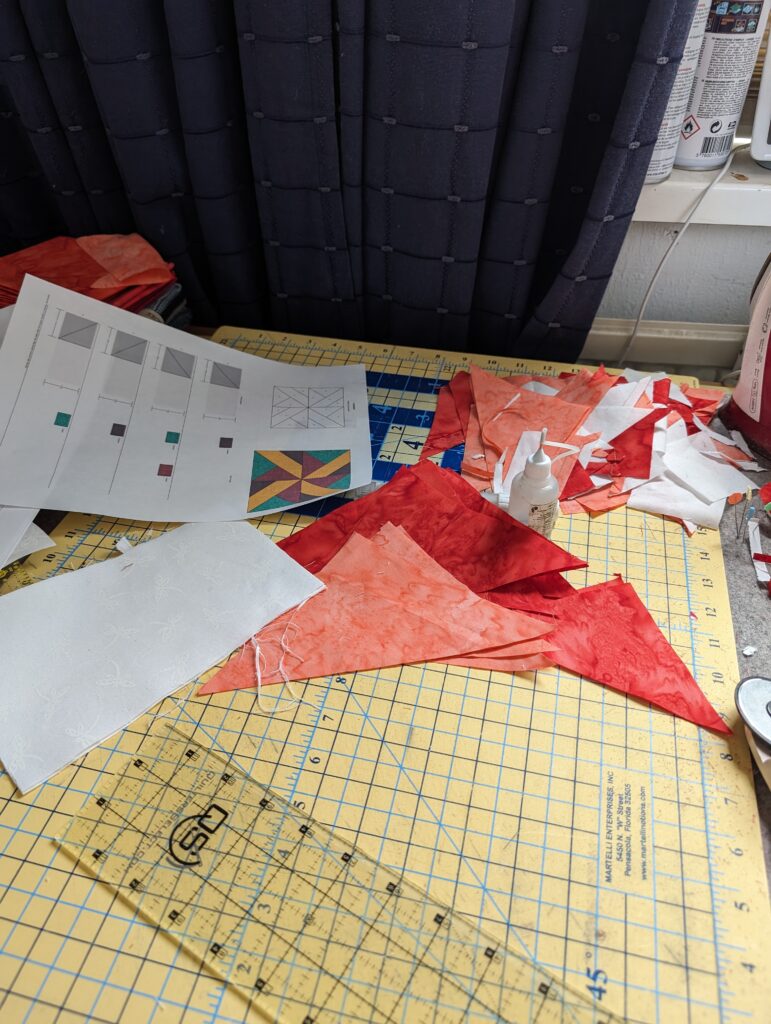
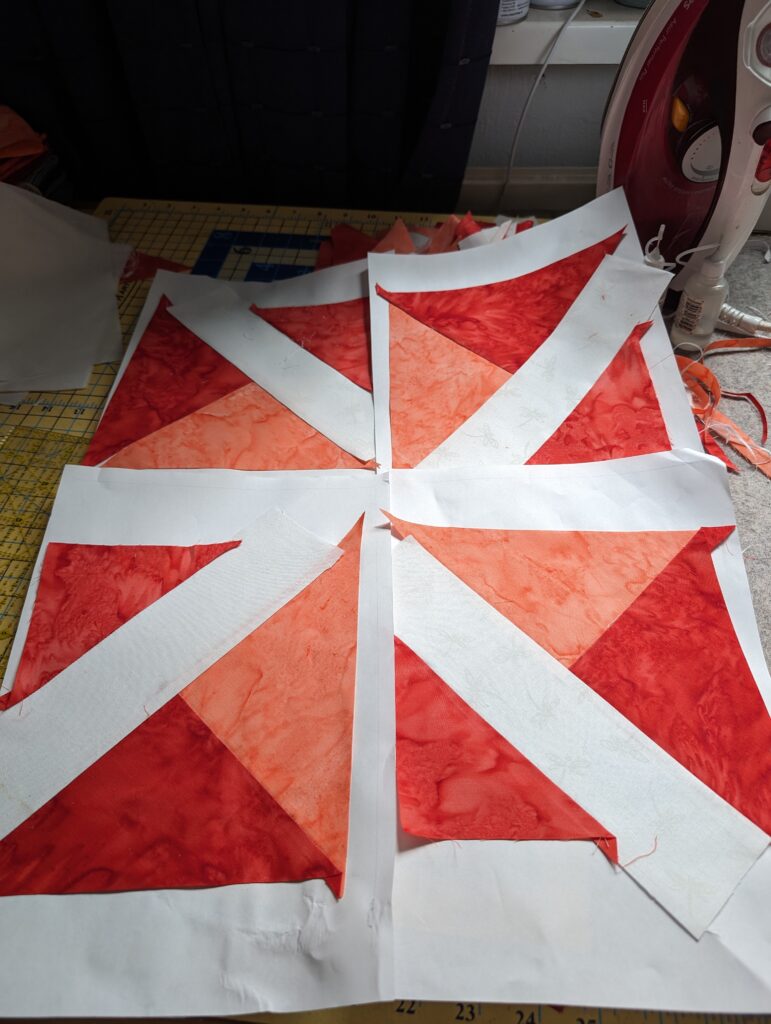
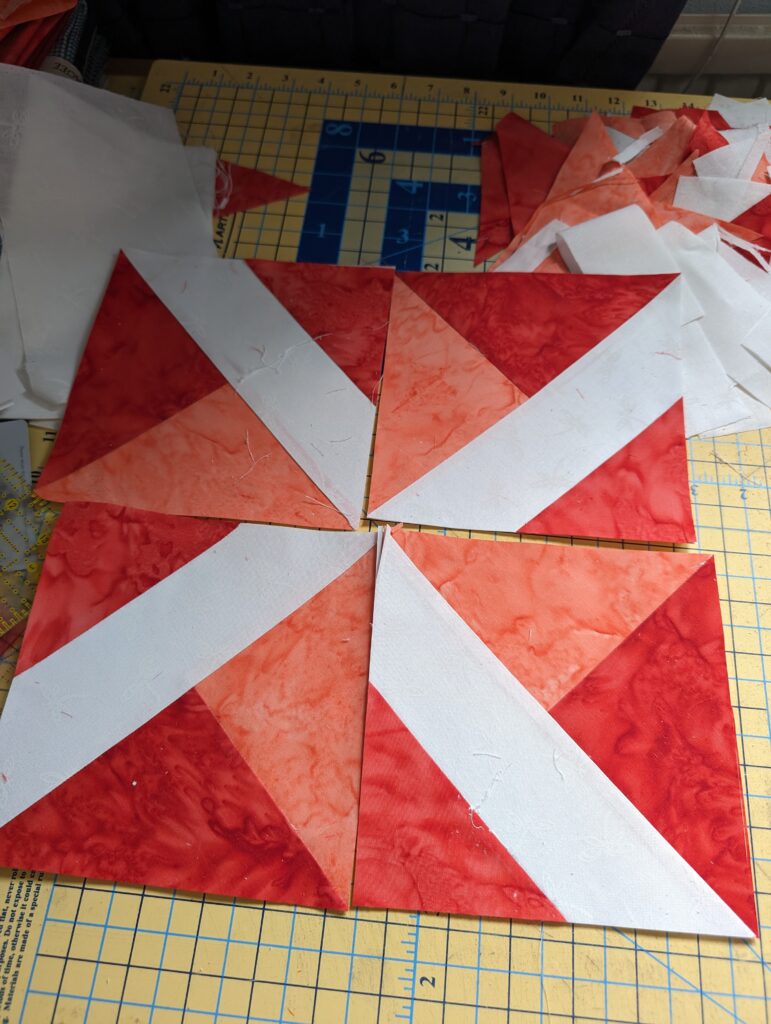
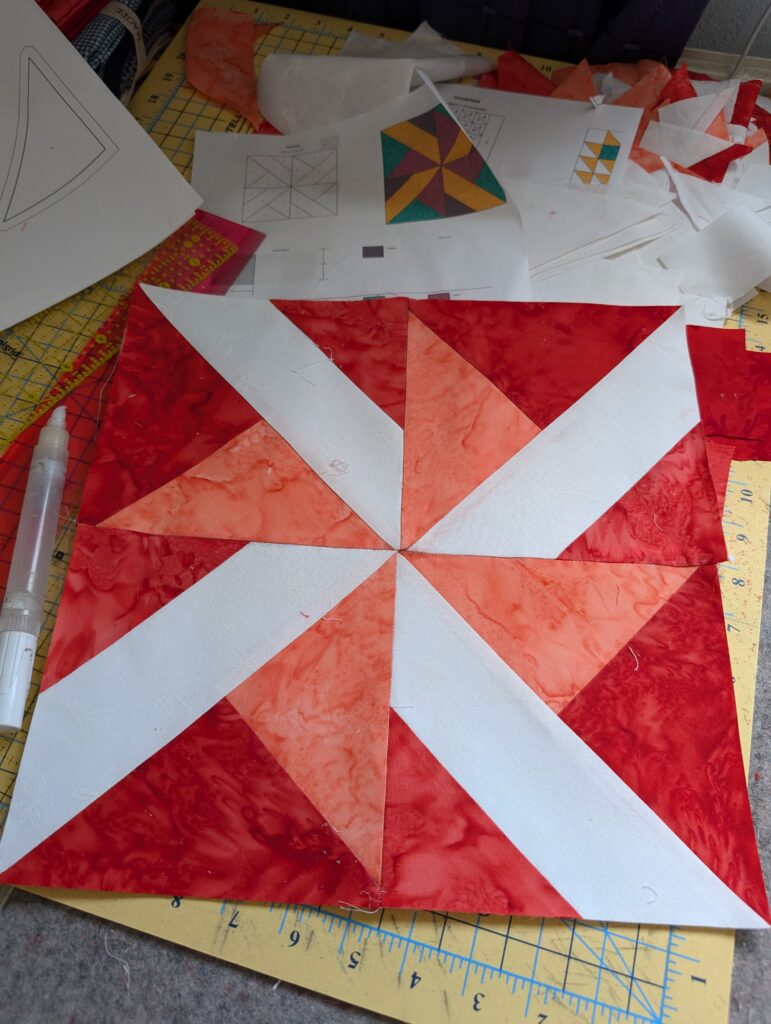
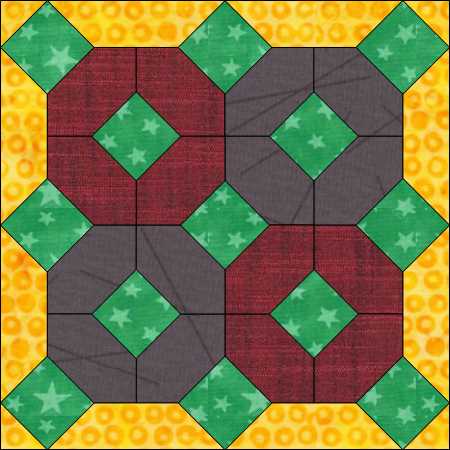
This was a quick easy block. I again chose to paper piece, as I wanted all my points and colors to be perfect. It is basically I simple 4 patch which I paper pieced each sub block. The sub blocks are all the same except for the direction in which they are turned into the block, creating the windmill effect.
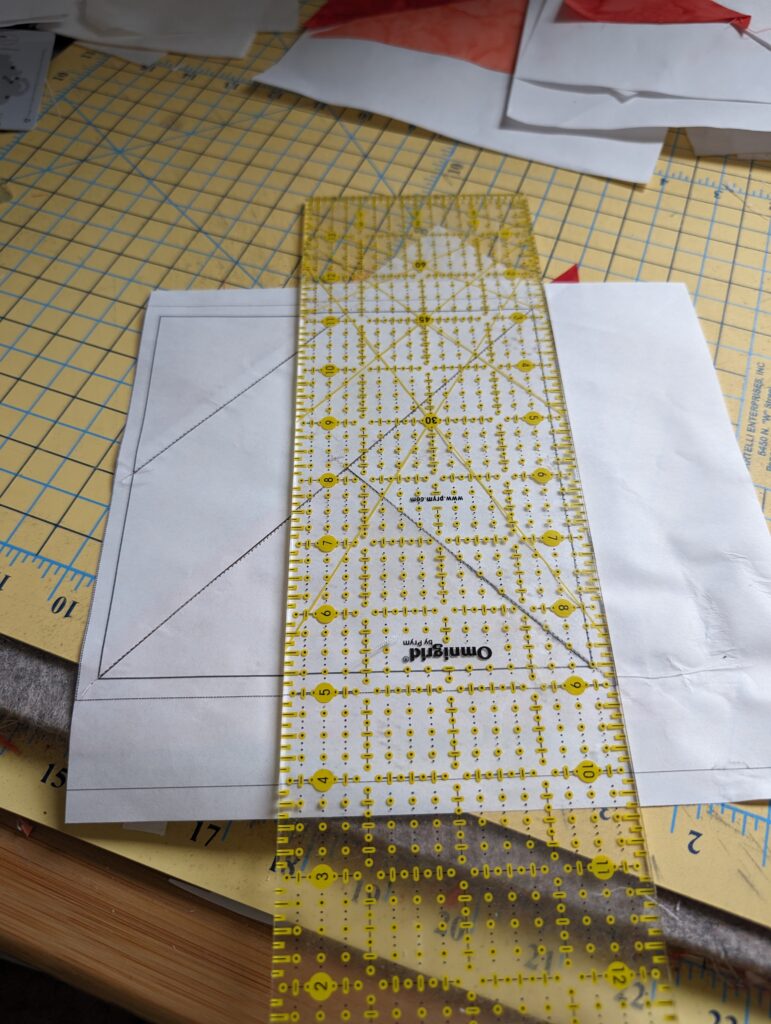
Above is the cutting instructions . The Foundation Paper Piecing templates. However if you choose to piece using traditional methods the last document is the actual templates that can be used.
This block has a weird cutting instructions. I just cut half square triangles to convert
2 x 3 7/8 x 3 7/8 inch square (I cut mine 4 1/2″) cut into half square triangles (HSTs). 2 squares second color (gray in the example) or 4 HSTs
4 x 5 1/8 x 5 1/8 inch square (cut mine 6″) cut into HSTs. 2 square color 3 and 2 squares color 4, should be 4 HSTs each color for a total of 8 HSTs
2 x 3 1/2″ strip Width of Fabric (WOF) (I used Fat Quarters (FQs)) this is background fabric (Yellow in example)
Assembly
All the HSTs have been cut out
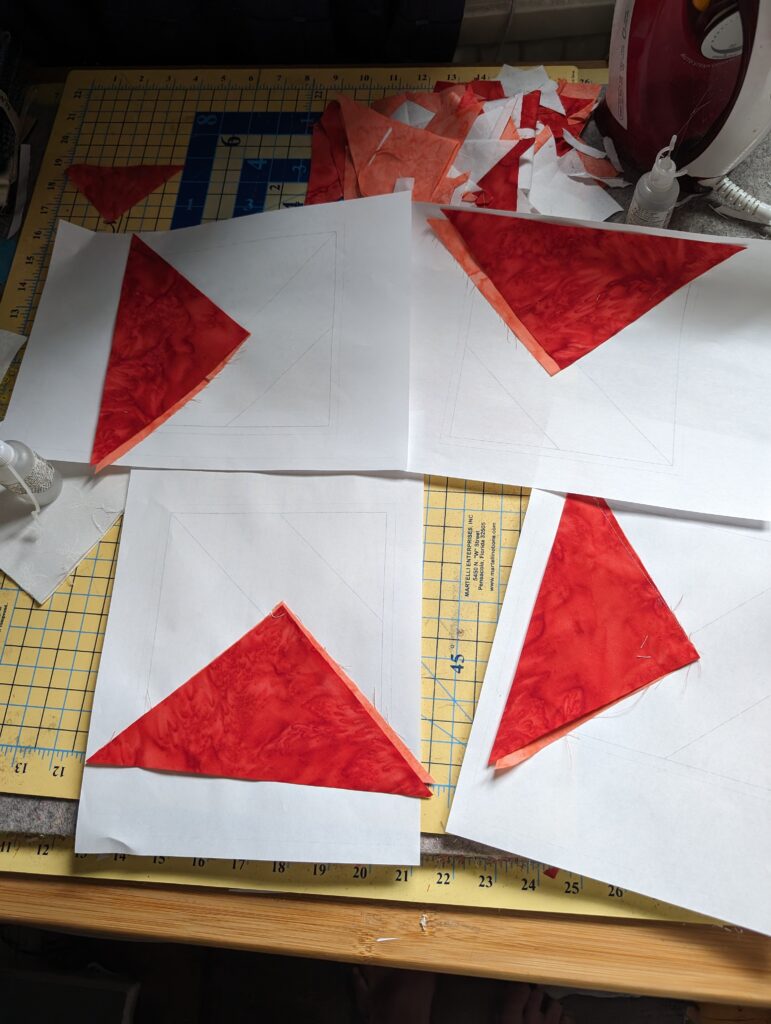
Using Seam Align Glue to secure the first triangle which was orange. I then added the second triangle red secure seam with Seam align glue, then stitched using 150wt Saba from Amann Mettler with a 1.8mm straight stitch. Note: I made all 4 sub blocks at one time exactly the same
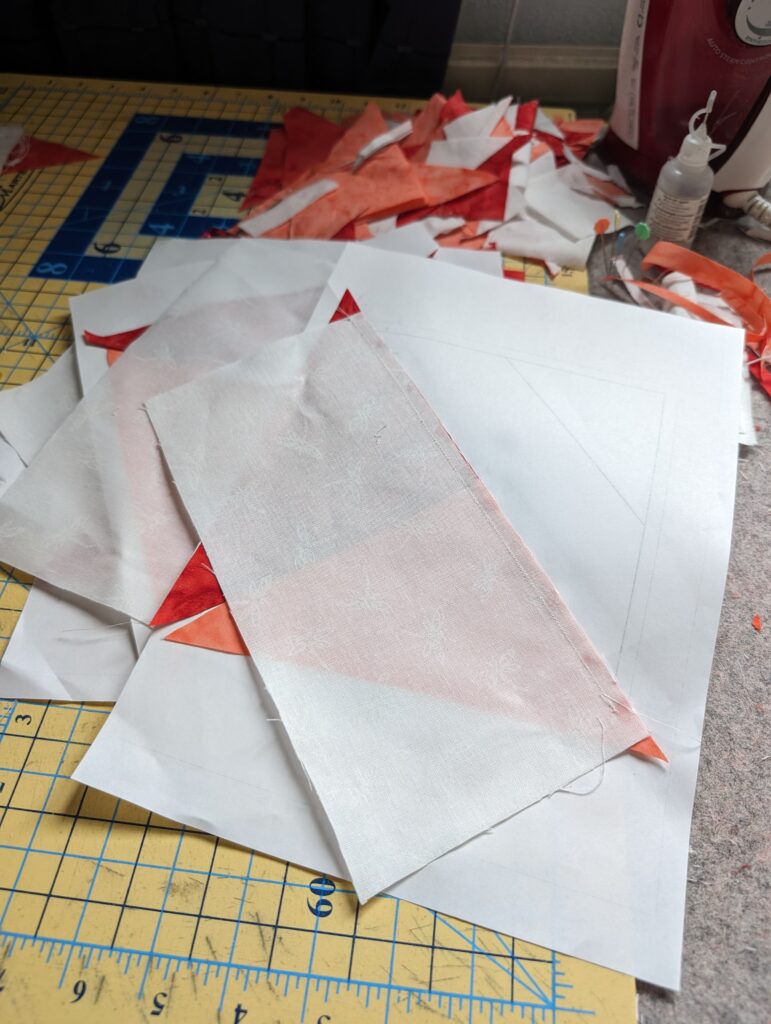
after pressing the second triangle into place, I secured my background strip to the long edge .
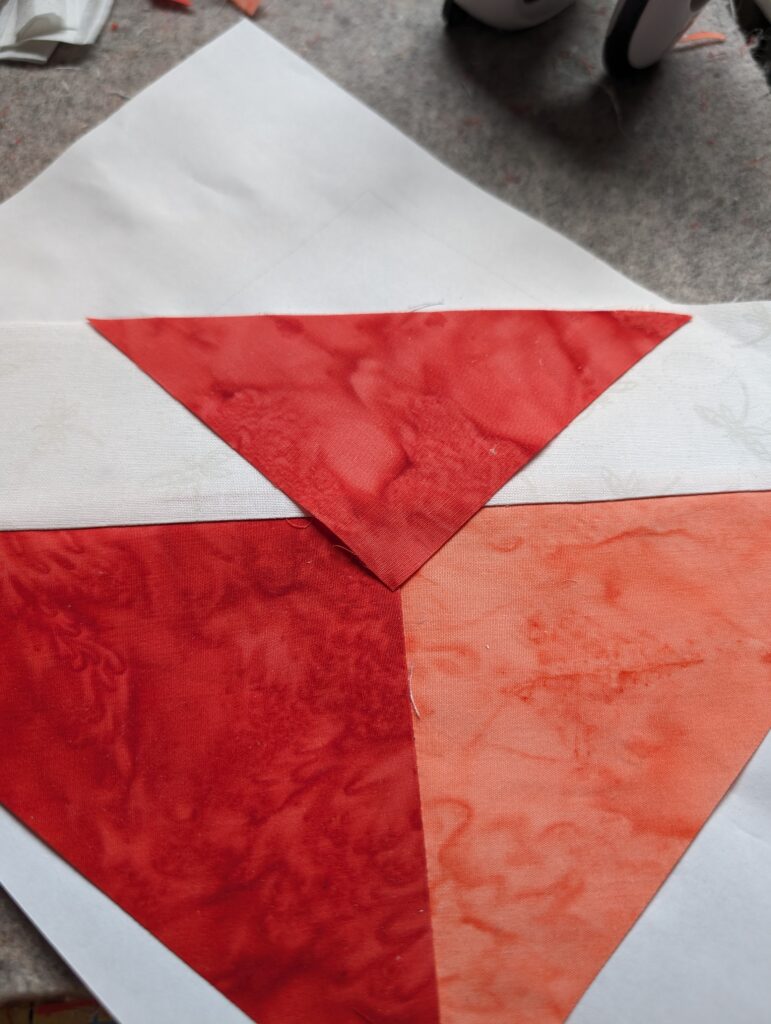
and finally adding the smaller corner HST to the sub block.
Now trim the 4 sub blocks on the cutting line.
with the 4 complete sub blocks arrange them in proper order and assemble as a standard 4 patch block.
Success your 23 Block Windmill Variation is complete only one more block in the Billie’s Sampler wow can’t believe we made it this far.
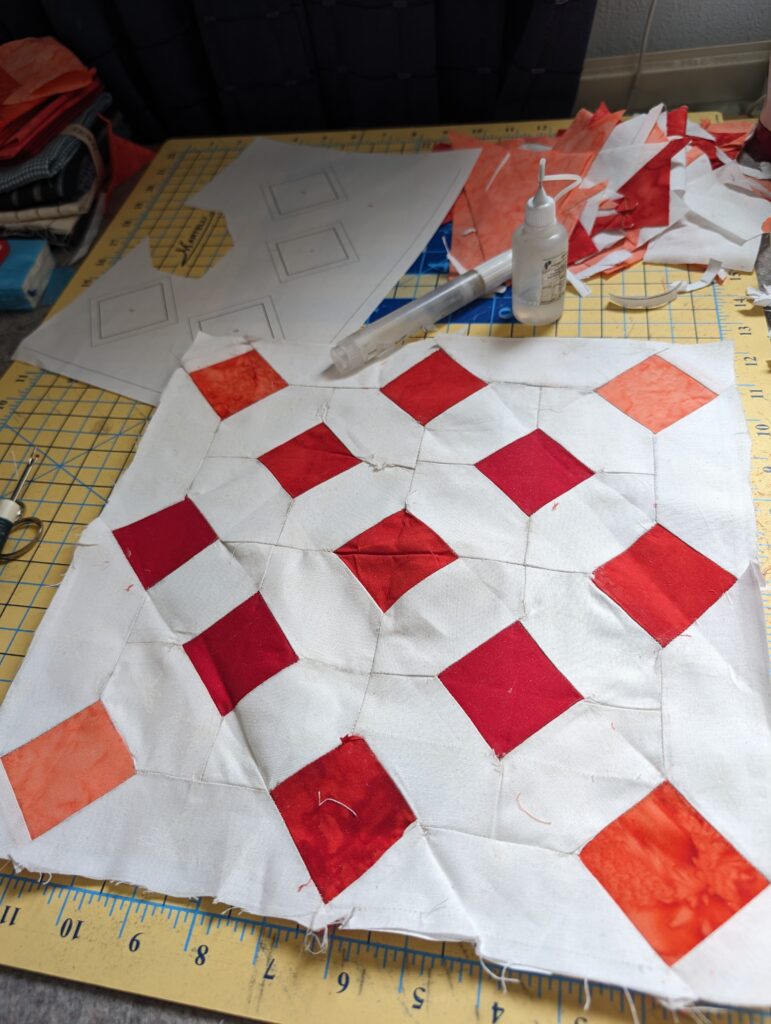
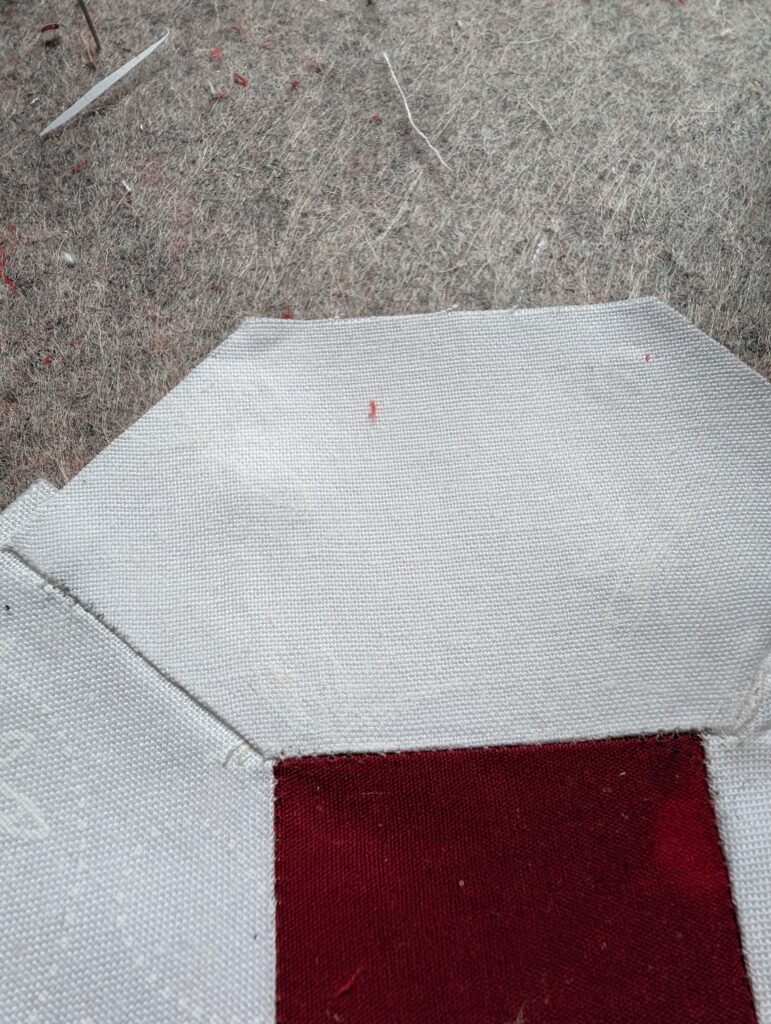
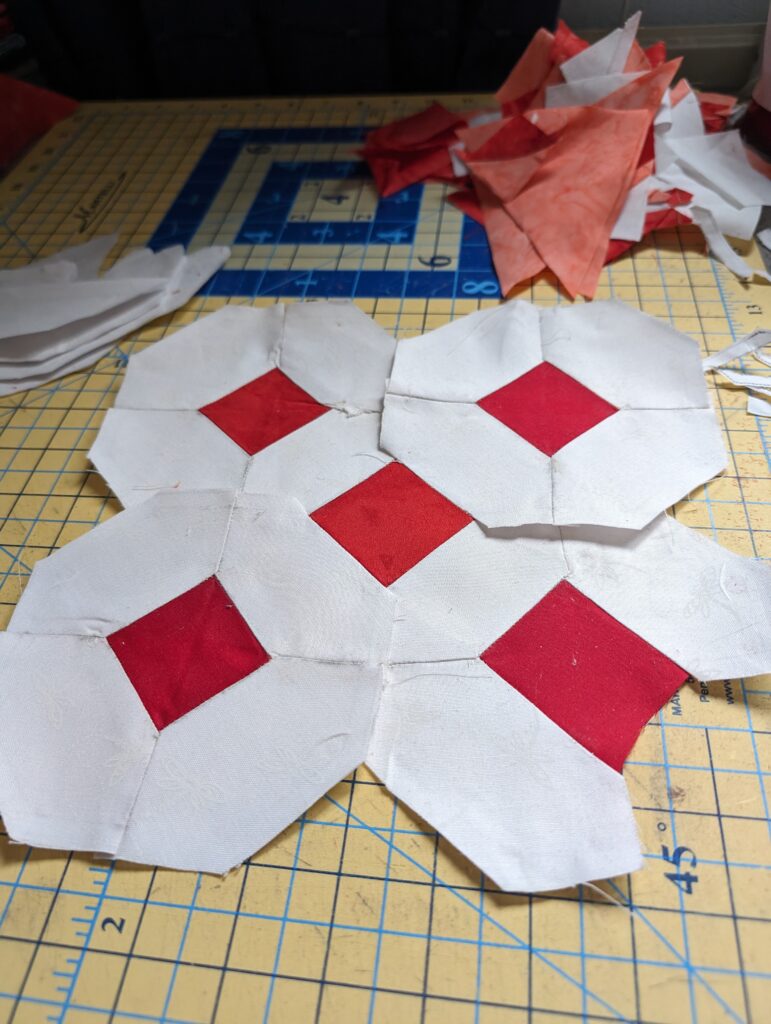
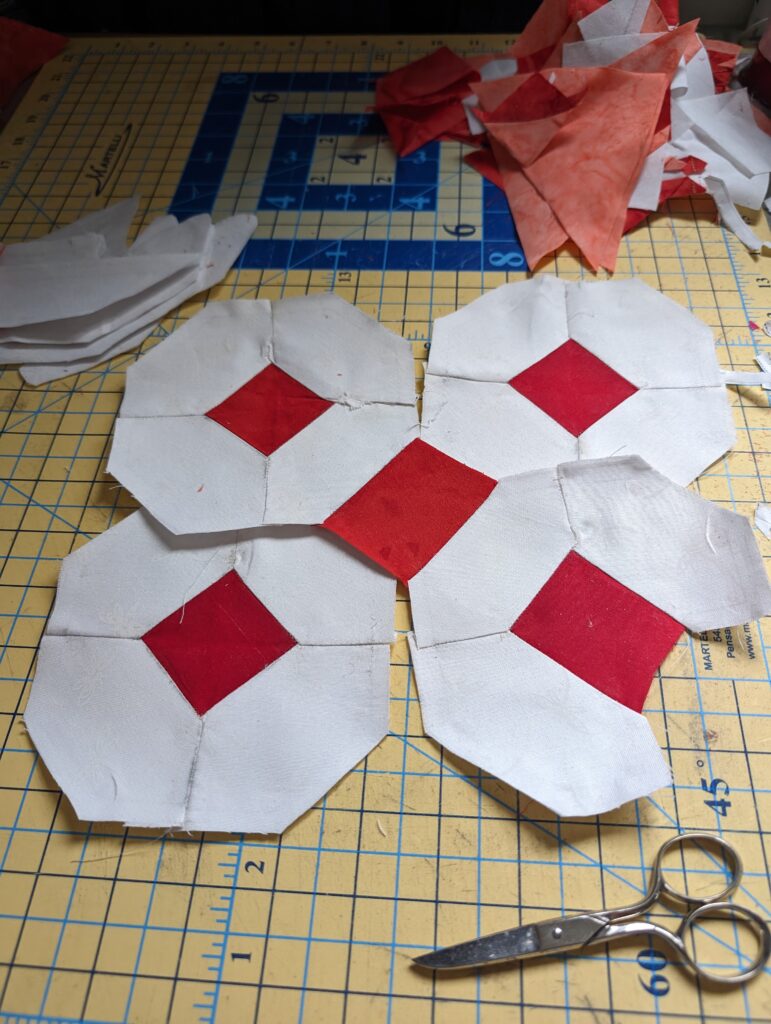
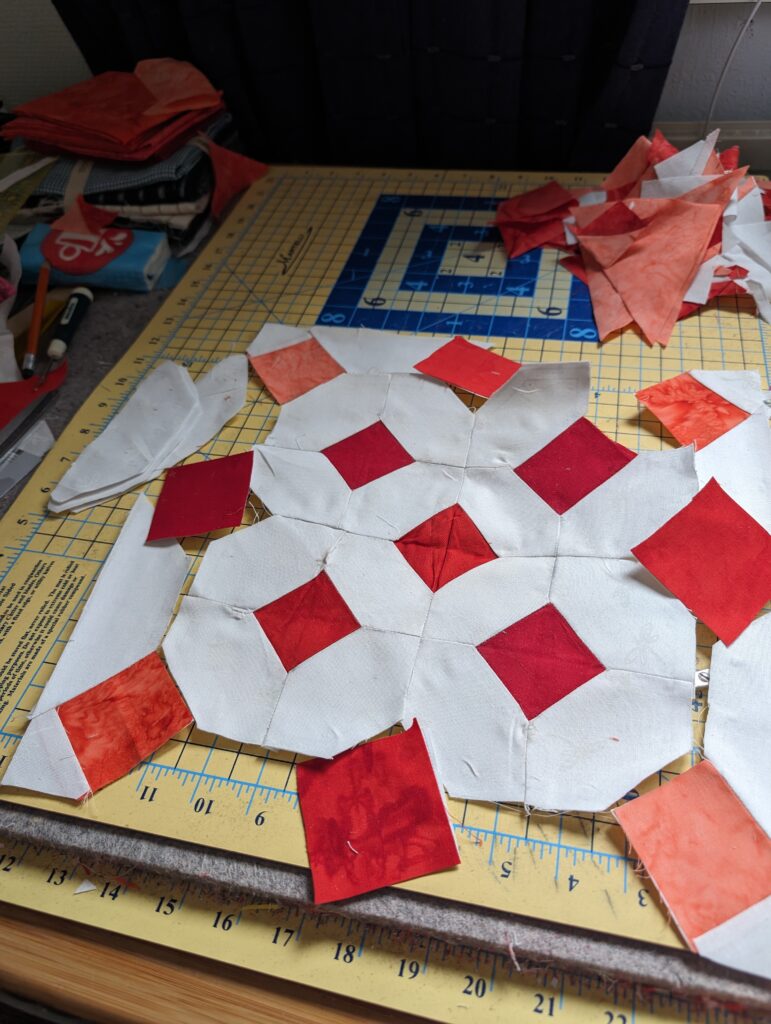
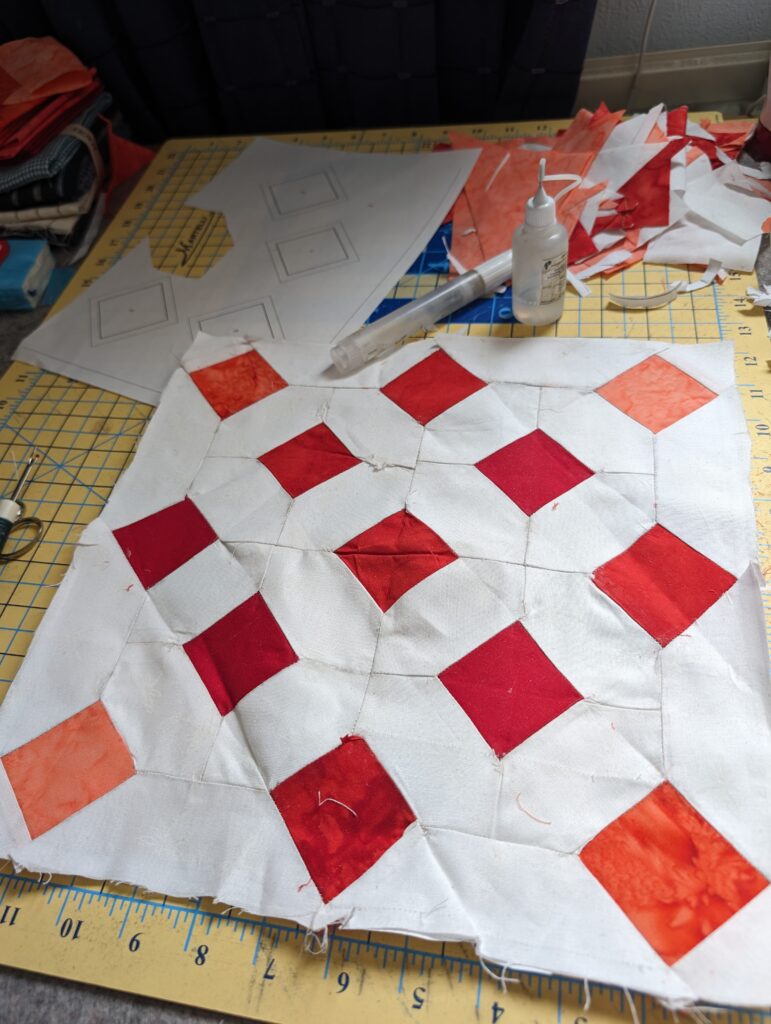
Kansas Dugout in my opinion was the most difficult block. Let me say there were was some choice words spoken while assembling this block. The entire block was partial and y seams. Not one seam is traditional. But this is a beautiful block and it was a huge learning experience.
Cutting
2 x 2 1/8 x 2 1/8″ square cut background fabric into Half Square Triangles (HSTs) , since I paper pieced this using templates cut the squares 3″ cut into HSTs.
6 x 1 3/4 x 5 15/16″ strips of background fabric, paper piecing size 2 1/2 x 6 1/2″ strips
13 x 2 1/4 x 2 1/4″ squares of mail fabric. paper piecing size is 3″ squares
16 x specialty pieces. 8 second and 8 third fabric colors. I used straps and pasted the pieces to my scraps and cut them out on the cutting line. Note: again some reason Electric Quilt ignored these pieces in the cutting instructions.
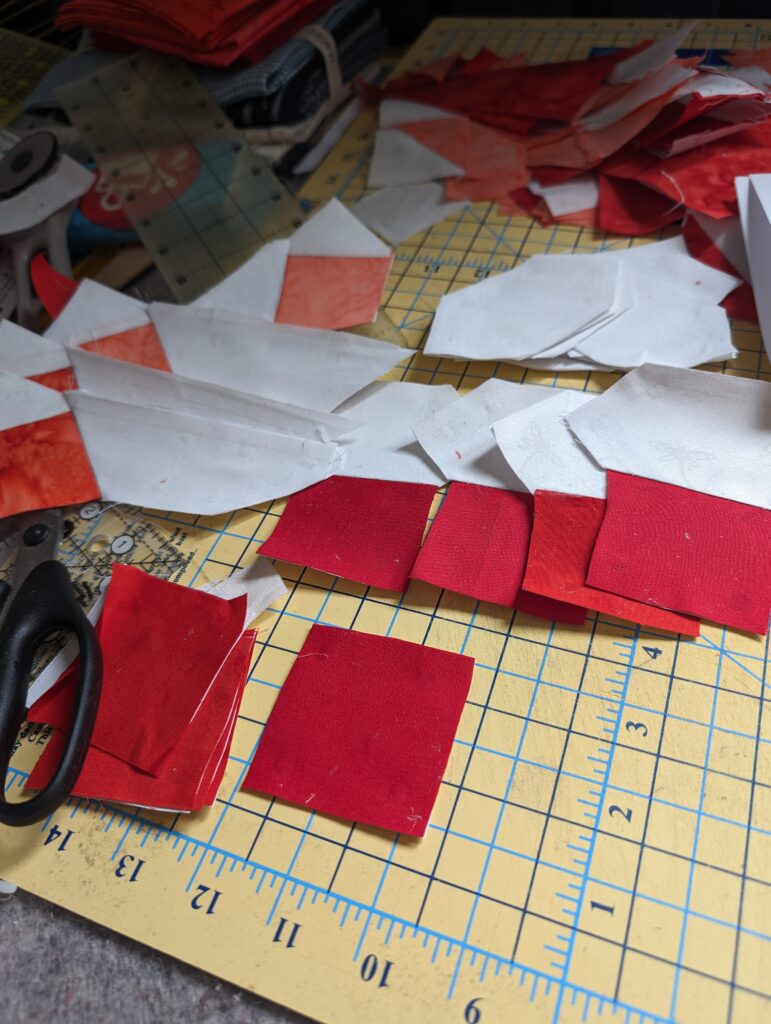
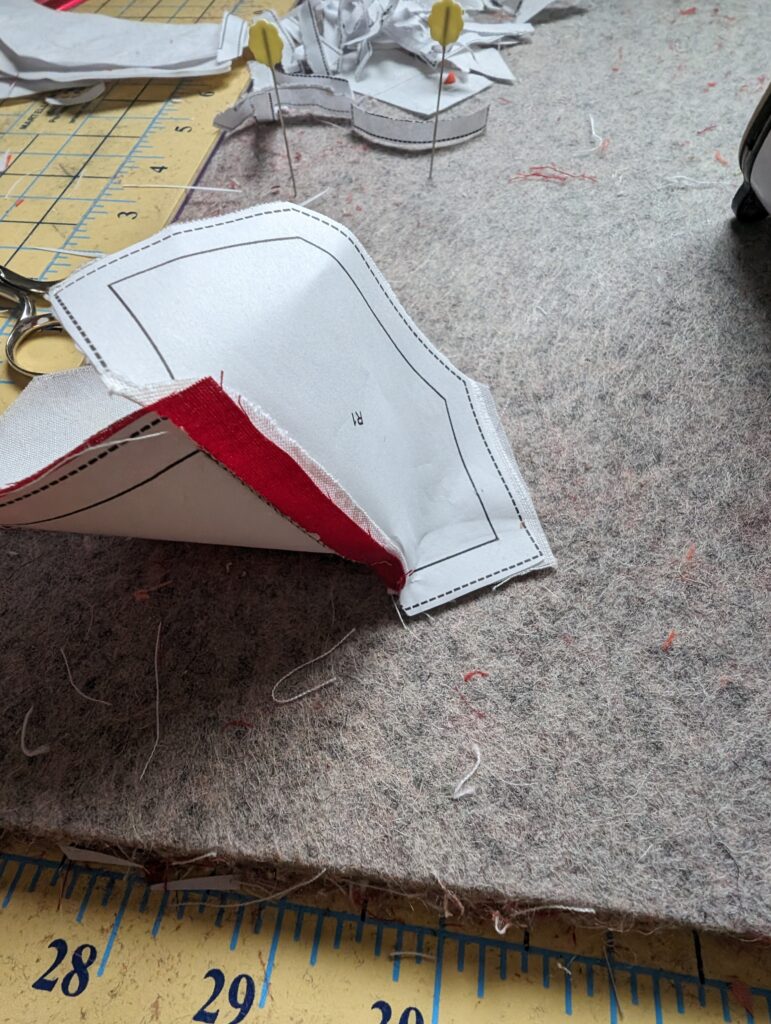
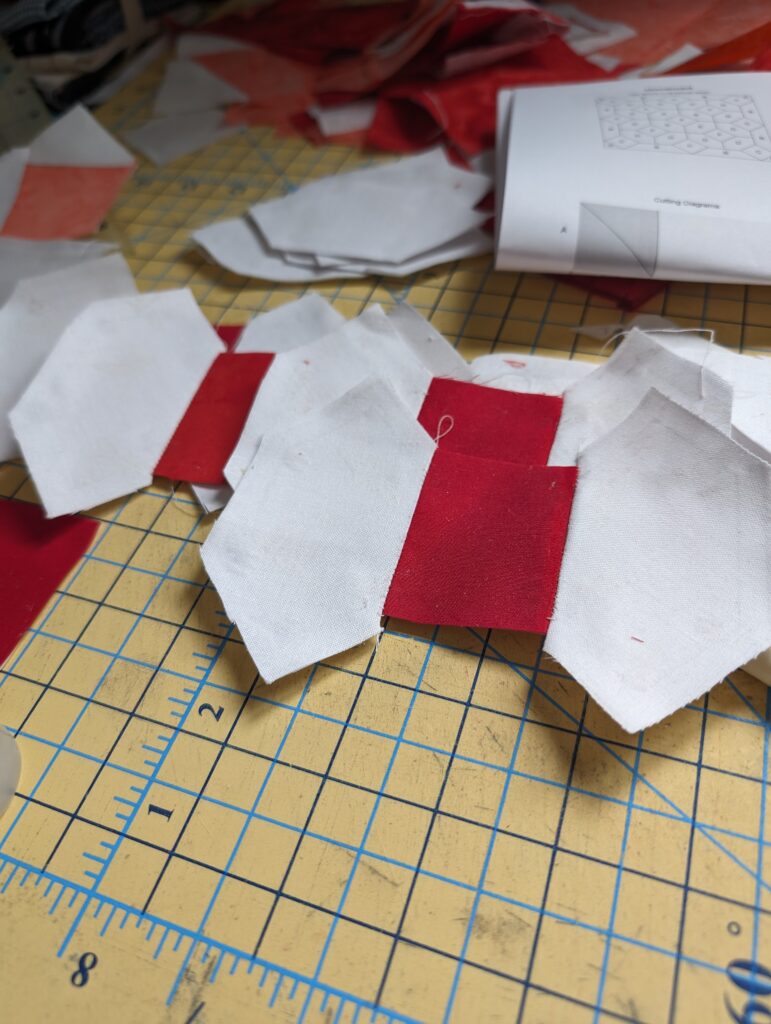
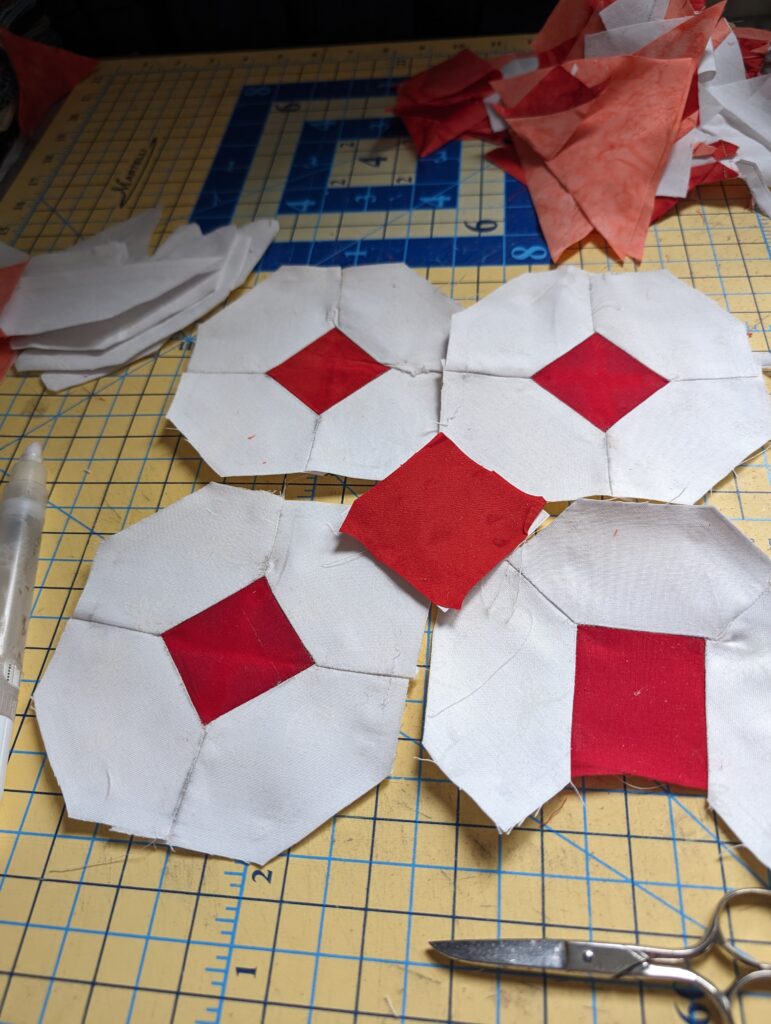
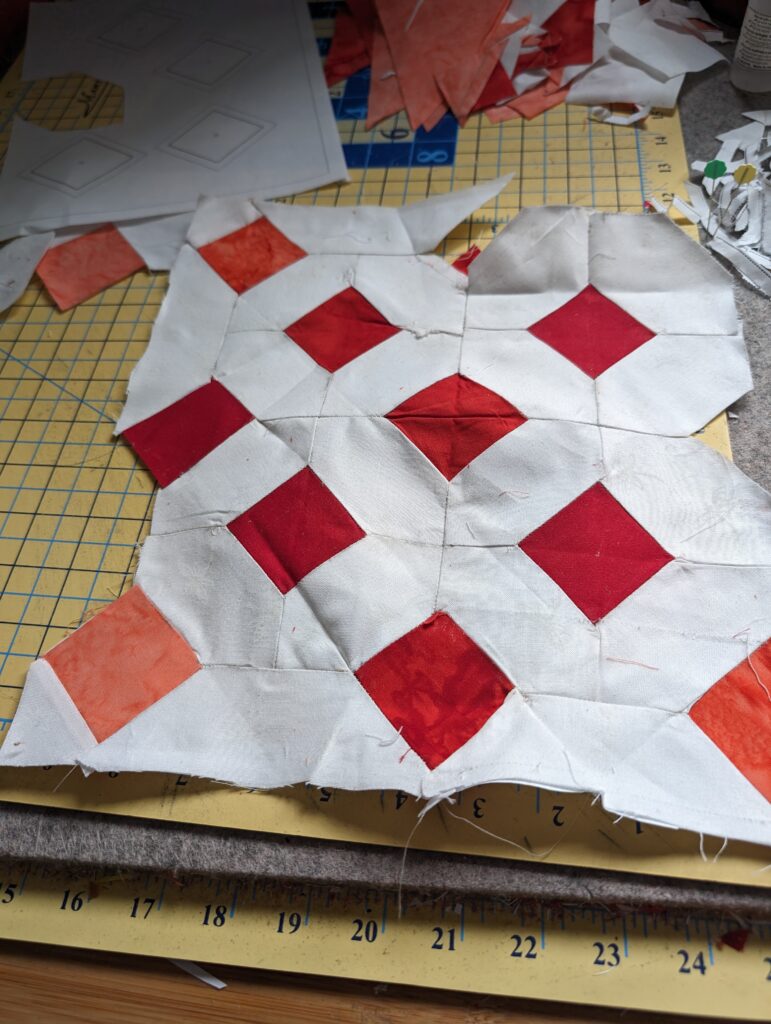
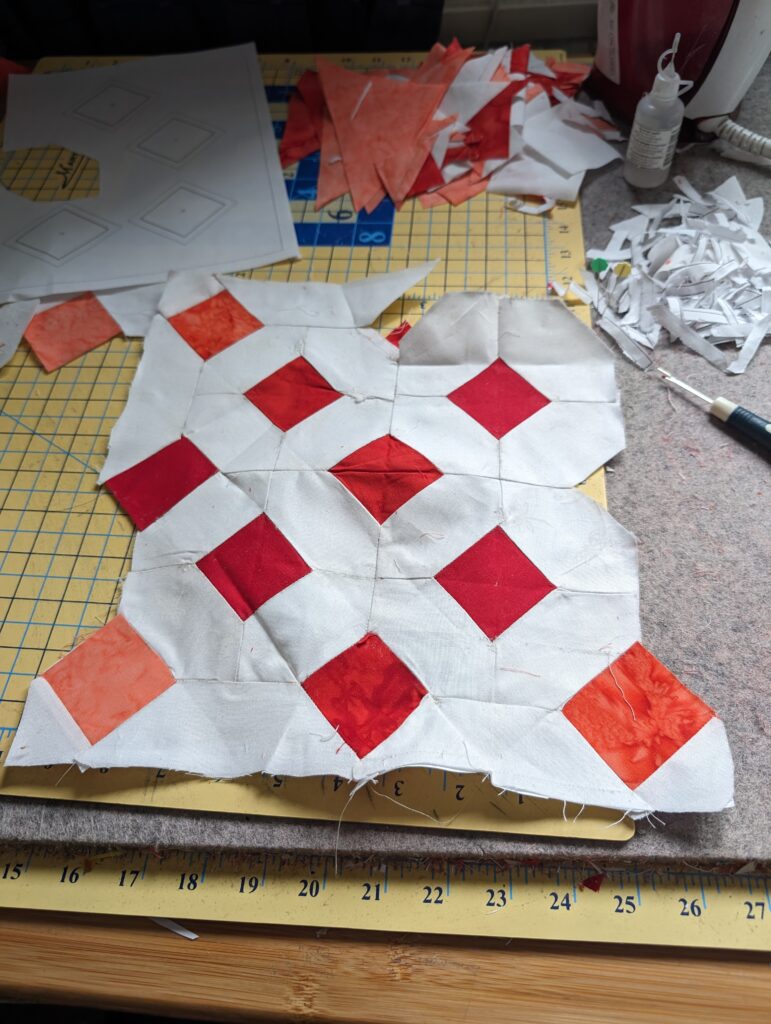
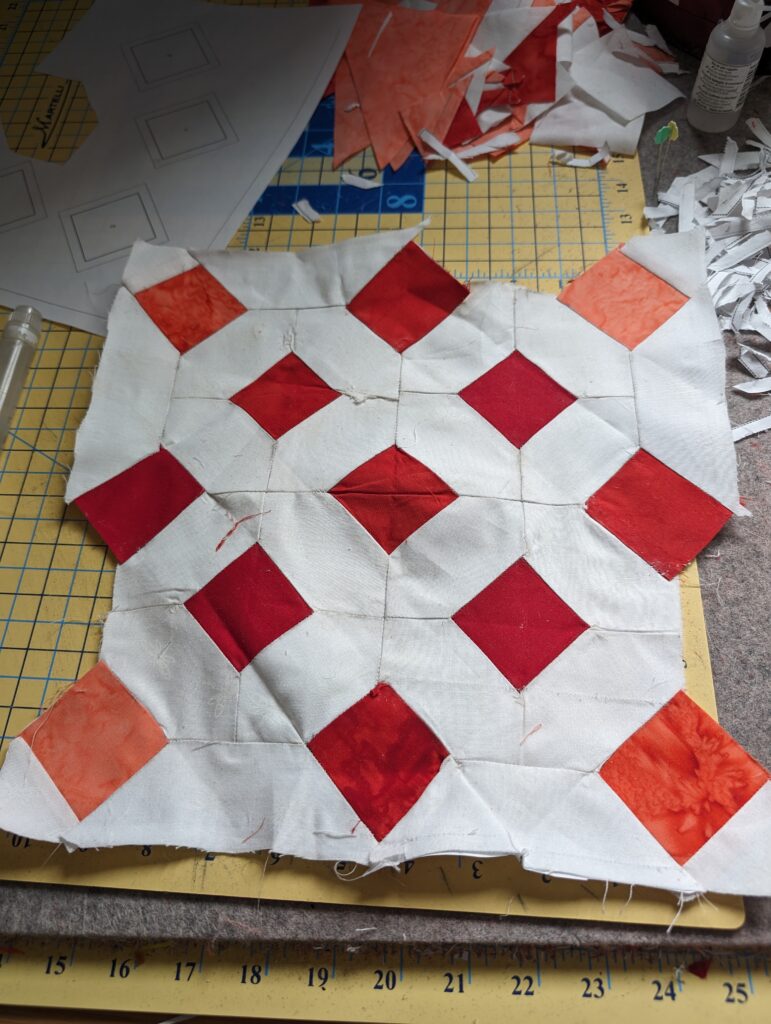
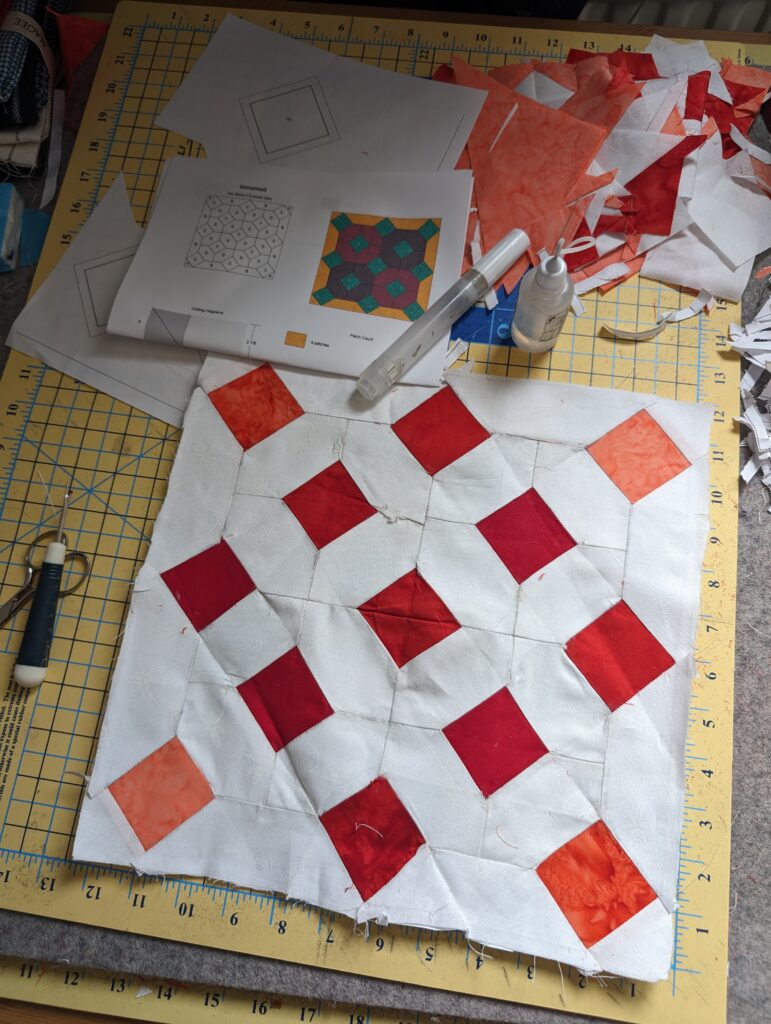
I paper pieced this block However, each piece is separate. I used scraps, using seam align glue, I attached all the individual pieces to scraps. This block is great for scraps. But it is nothing but partial and y seams. so take your time.
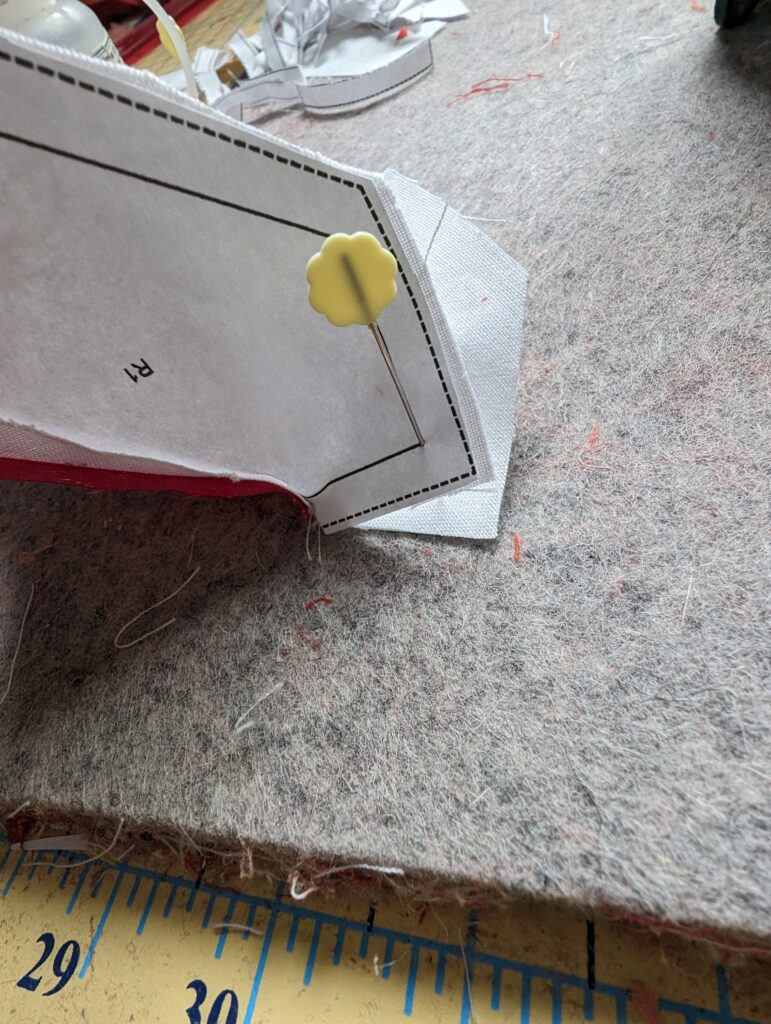
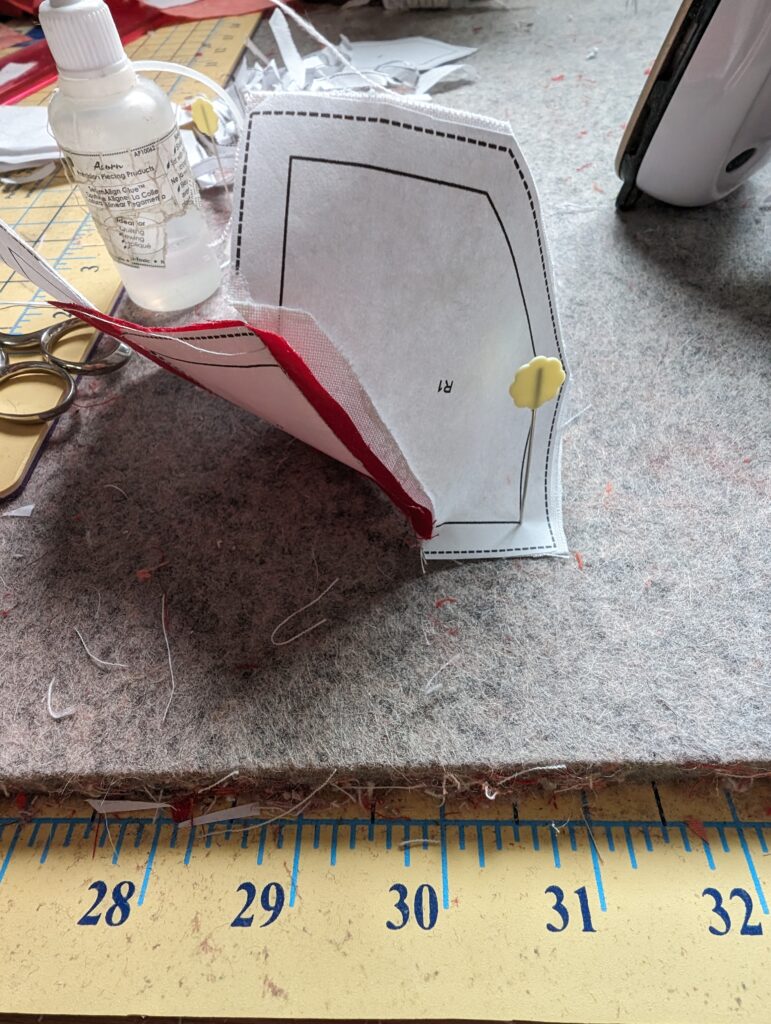
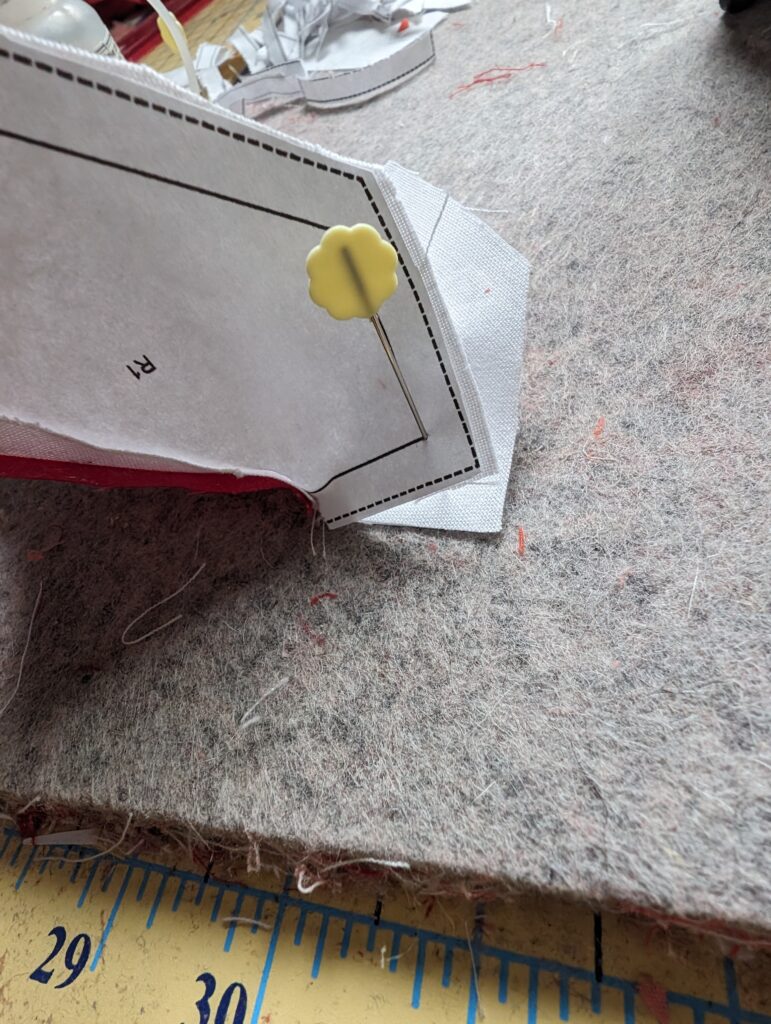
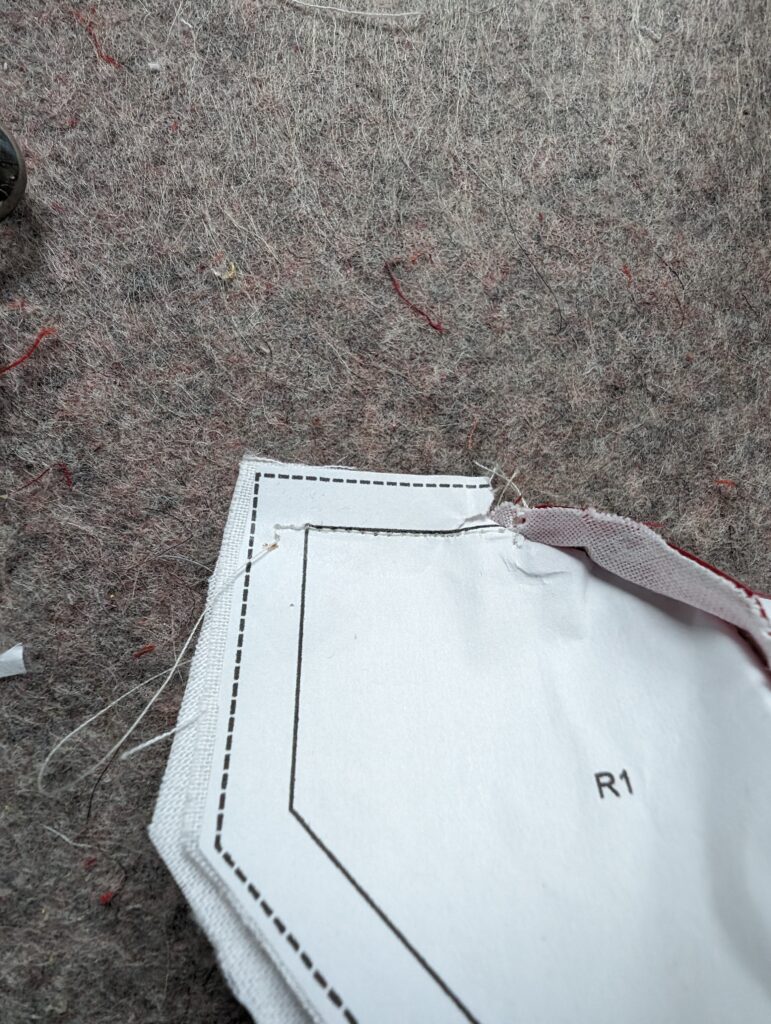
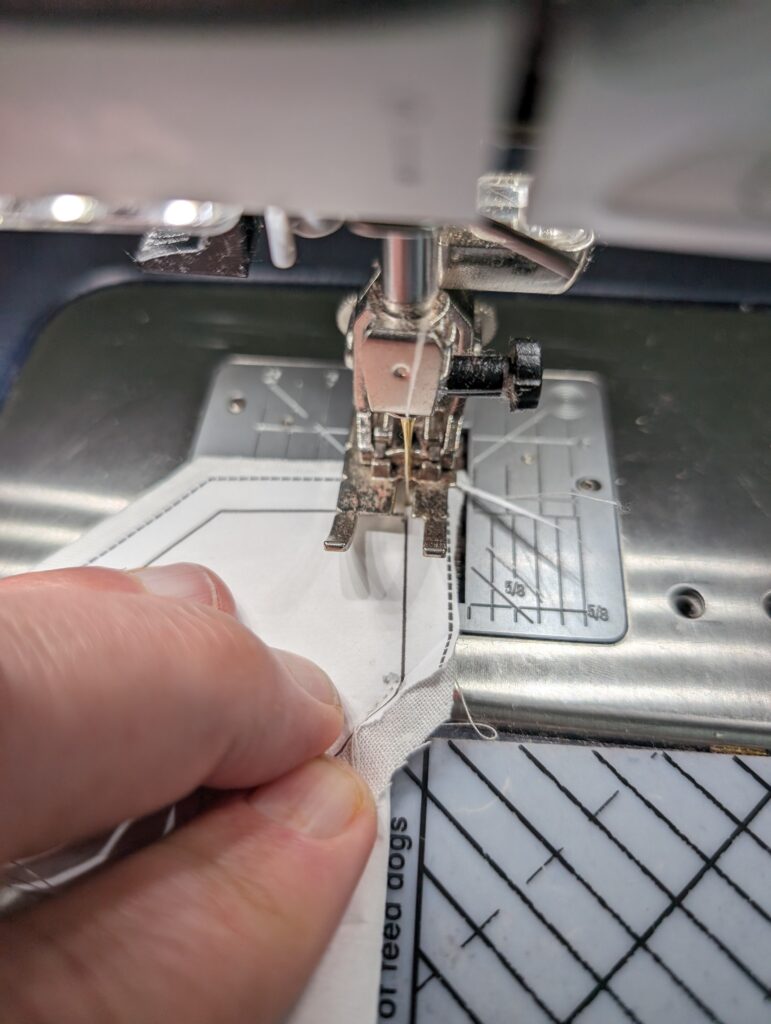
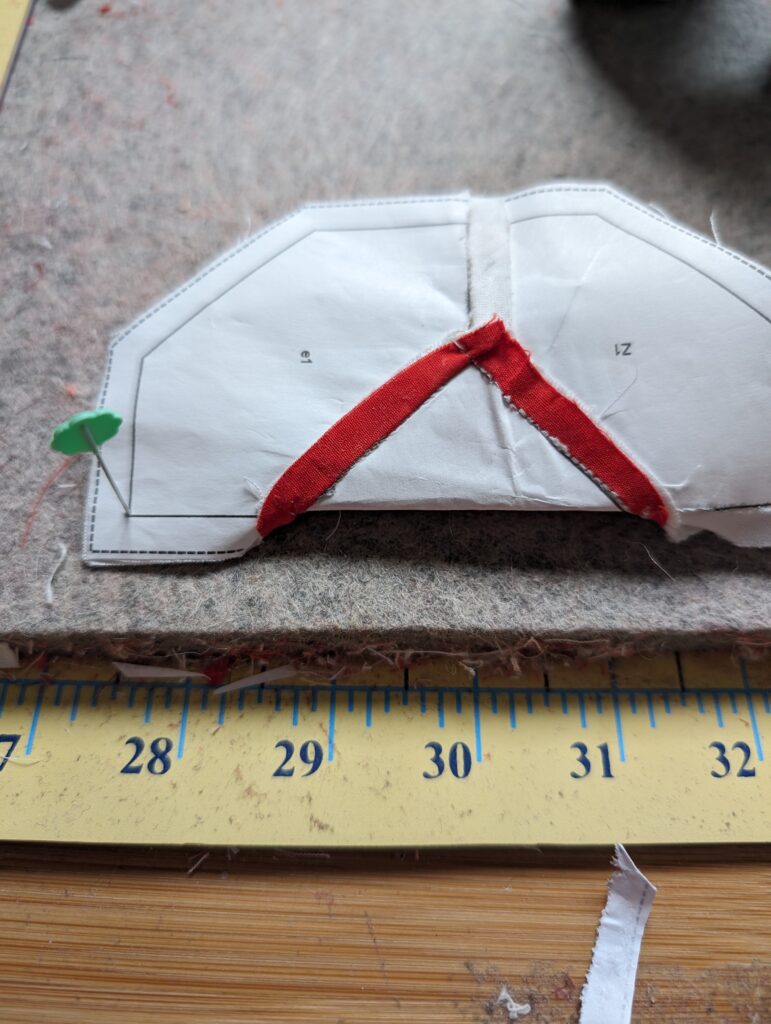
using pins and seam align glue to match the points and then stitching on the stitch lines on the paper templates. Note: since it is possible for the seams not to cross, you much lock the beginning and end of each seam. Also you need to be accurate on the stitch lines. if you stop short of the point then you could have a hole and if you over shot the end would cause a pucker. so take your time and be very very accurate. This block is a great skill builder in accuracy and control of your machine.
added lots of photos of the assembly This is a slow process and requires lots of patience. And lots of colorful adjectives spoken in the assembly, keep easy access to the seam ripper.
Wow Block 22 Kansas Dugout is complete. This block took lots of time and patience. All those Y seams. And must do each and every sub block individually and accurately. I added lots of photos so you can see the slow process. If you find a easier way please share?